Don’t worry; it happens to all of us – or at least that’s the goal! But aging doesn’t mean that you have to limit your independence or immediately check into a nursing home. It just means that you need to make a few adjustments to ensure that your home remains comfortable and safe.
Today we will go over ten simple changes that can help you avoid a Steve Urkel move and make your home an age-friendly environment.
Why Aging in Place is Important
Aging in place refers to the ability to live in your own home safely and independently, regardless of your age or ability level. It allows you to maintain your familiar surroundings and go about your everyday routines with just a few helpful changes to your home. Aging in place enables seniors to maintain their autonomy and dignity while also reducing the financial burden associated with moving to assisted living facilities.
Before You Start: Assess Your Accessibility
The first step in creating an age-friendly home should come before you ever need one. Before you need a home that’s accessible to older individuals, identify potential hazards. This includes assessing the layout, identifying tripping hazards, and evaluating essential areas such as the bathroom, kitchen, bedrooms, and living room.
Your modifications will depend on your individual requirements. Consider your mobility, vision, hearing, and other specific needs. By understanding your needs, you can tailor your modifications to best suit your requirements for a safer living environment.
For example, if you notice you’re having trouble hearing the TV, you should consider investing in a door light. That way, if someone rings the doorbell, you won’t have to rely on hearing alone.
Ten Simple Changes You Can Make
1) Make the Bathroom a No-Slip Zone
The bathroom is a high-risk area for slips and falls. Installing grab bars near the toilet, shower, and bathtub can greatly enhance safety. Additionally, consider adding a shower bench or chair and a handheld showerhead for added convenience.
2) Keep Everything in Your Kitchen Within Reach
In the kitchen, ensure that commonly used items are within easy reach. Consider installing lower countertops and adjustable cabinets. Adding non-slip flooring and bright lighting can also make a significant difference in accessibility. Strong magnetic bars can keep knives in reach (just be sure the magnets are super strong so the knives don’t fall off the wall)!
3) Don’t Fall Out of Bed
In the bedroom, make sure the bed is at an appropriate height for easy entry and exit. Install handrails or use bedside grab bars to assist with mobility, or put a mobility device like a rollator next to your bed to help you get in and out of it. Adequate lighting near the bed and a clear pathway to the bathroom can also make a big difference for nighttime trips.
4) Clear a Walking Space in the Living Room
In the living room, arrange furniture to create clear pathways and remove any clutter that may pose a tripping hazard. Consider using sturdy, comfortable chairs with armrests to assist with standing and sitting. Adequate lighting and easy-to-reach light switches can also guarantee that you see any tripping hazards before they happen.
5) Install Grab Bars and Handrails in High-Traffic Areas
Installing grab bars and handrails throughout the home can greatly improve mobility and stability. Place them in key areas such as staircases, hallways, and entryways. Opt for sturdy, non-slip options that can support your weight.
6) Make Sure the Flooring is Non-Slip
Selecting the right flooring can significantly impact mobility. Non-slip flooring options include vinyl, cork, and rubber. Remove any loose rugs or carpets that may pose a tripping hazard, and ensure flooring transitions are smooth and level. Using cord covers near the wall (out of the walkway) will help prevent tripping over electronic cords.
7) Widen Doorways and Hallways
Widening doorways and hallways can improve accessibility for individuals with mobility aids such as walkers or wheelchairs. You may need to consult a professional contractor to assess the feasibility of making these modifications in your home.
8) Clear Up Your Entrances
Ensure that outdoor pathways and entrances are clear of obstacles. Repair any cracks, potholes, or uneven surfaces that may pose a tripping hazard. Install handrails or ramps as needed to facilitate easy entry and exit.
Reminder: this is something you should be doing if you have one fall (or even before that). Don’t wait until you’ve had several falls to implement these tips!
9) Light Up the Room
Good outdoor lighting is essential for safety. Install motion-sensor lights near entrances and along pathways to ensure visibility at night. Consider adding solar-powered lights for energy efficiency.
10) Explore Smart Home Support
Smart home technology can greatly enhance accessibility and convenience. Consider installing voice-activated devices, smart thermostats, and automated lighting systems that can be controlled remotely.
Bonus: Medical Alert Systems/Cell Phones
Medical alert systems typically consist of a wearable panic button that can be easily activated in case of emergencies. When the button is pressed, it sends a distress signal to a monitoring center, where trained professionals can assess the situation and dispatch help if needed.
Just by adding a simple necklace or wristband to your daily outfit, you and your loved ones can enjoy the peace of mind that comes from knowing help is just a button press away.
Another option is cell phones. If you have a loved one with mobility issues, a simple daily check-in can add to your peace of mind. (Pro tip: you can totally check-in without “checking in” – it doesn’t have to be super serious. Sending fun GIFs and saying, “I thought you’d like this!” is a great way to ensure someone’s OK without sounding like a worrywart.)
When in Doubt, Ask a Professional
Occupational therapists specialize in assessing individuals’ abilities and recommending appropriate modifications to promote independence. Consulting with an occupational therapist can provide valuable insights and personalized recommendations for what your home needs.
For more extensive modifications, such as widening doorways or installing ramps, we recommend consulting with professional contractors. Contractors who are licensed and experienced in accessible home modifications can provide valuable insight and knowledge about what works.
Financing Home Modifications
Of course, modifying your home isn’t always cheap. Review your insurance coverage to determine if any modifications may be covered, and contact your insurance provider for more information. Some insurance policies may include provisions for home modifications that improve accessibility.
There are also various grants and financial assistance programs available to help individuals fund home modifications. Research local and national resources to find potential sources of financial aid. Non-profit organizations (like Rebuilding Together Nashville) and government agencies may also offer grants or low-interest loans. (Want more info? Check out this link from Rebuilding Together!)
Embrace Aging in Place to Enjoy Your Golden Years
As we age, it is important to adapt our lifestyle to align with the changing needs of our bodies. This doesn’t mean that your lifestyle will become limited – it just means that it might look slightly different. Just think: the only thing that stands between you and successful aging in place is a bit of redecorating.
As you prepare to age in your home, you may also want to make sure you have a plan in place for your estate. Graceful Aging Legal Services is here to help you with estate planning, probate, and conservatorships. We can help you put your paperwork together and figure out what you need to truly embrace your aging in place. Contact us today to see what we can do for you!
Everyone’s heard about it: a celebrity dies and their relatives come out of the woodwork, insisting that they deserve some piece of the estate. Even though most of us aren’t celebrities, it happens in otherwise happy families too, so let’s talk about what you can do to prevent it.
In fact, it happened in April’s family and led her to work with clients to prevent this exact scenario. By planning ahead for the transfer of your estate assets, you can ensure that your loved ones needs are met and that your hard-earned assets are protected for those you intend to get them!
This blog post will help you keep the peace, even after you’re gone.
Identifying Assets
Identifying and understanding how your assets pass after your death is one of the most important aspects of estate planning. This includes a review of any real estate that you own so that you can transfer it to your heirs.
Other assets to consider when making an estate plan include bank accounts, investment accounts, retirement accounts, and life insurance policies. Assigning beneficiaries for these types of accounts helps transfer assets quickly and smoothly but needs to be done in the context of your plan as a whole.
It’s also important to think about succession plans for any businesses where you have a role as an owner or investor. Valuable belongings, like jewelry, artwork, and sentimental items should be properly allocated in your will, trust, or even before you die as part of your estate plan. By identifying these assets you can create a well-rounded estate plan that safeguards your legacy, alleviates burdens for your loved ones, and ensures the effective execution of your intentions.
Choosing Beneficiaries
Our firm is probably a little different than most when it comes to naming beneficiaries. Most people will leave everything to a spouse and children, which is good because you can’t disinherit your spouse or minor children in the State of Tennessee.
However, outside of that, you’ll hear April tell everyone “No one is entitled to an inheritance.” (Yes, she tried to talk her own parents out of the typical distribution plan.) If you are part of a historically marginalized community, it may be important to you to pass on generational wealth, and that’s a great plan!
But there’s also nothing wrong with bypassing your immediate family in favor of a charitable organization that works towards a mission that you feel strongly about. Since Eliza Hamilton married one orphan and adopted another (in addition to founding the first private orphanage in New York City), it would have made sense for her to donate some of her fortune (were any of it left) to the orphanage upon her passing.
While pets can’t inherit outright in Tennessee, don’t forget that you can set up a pet trust to care for them when you’re gone or leave money to someone as your furry friend’s “caretaker.” You may also have close friends or more remote family members that you want to leave gifts to.
Remember, there are no “wrong” beneficiaries, except maybe Warren Buffett. The Oracle of Omaha has enough already- and he’s leaving it to charity!
Getting legal documentation in order will help prevent misunderstandings and disputes about your assets. Regularly reviewing and updating your choices guarantees your intentions align with evolving circumstances. For example, if your favorite nephew developed a severe gambling addiction, you may not want to allocate as much of your estate to him. When choosing beneficiaries, you want to reflect your values and leave a lasting positive impact on your loved ones and the causes you support.
Considering Taxes
Tax responsibilities are an inevitable part of life, and they can occur in death too.
Understanding estate taxation and knowing tax thresholds can help you determine the taxes your estate may be subject to. A firm grasp of tax thresholds can help you create a plan that helps you maximize the distributions to your beneficiaries, rather than the government.
For most Tennesseans, taxes will need to be paid on your income from the final year of your life, and withdrawals from any retirement accounts that were tax-deferred, like 401ks and traditional IRAs. However, since 2016, Tennessee does not have an estate tax and the federal estate tax only applies to estates that have multiple millions of dollars. The federal estate tax limit changes sometimes, so you’ll want to consult with an attorney about your tax exposure – and maybe follow our newsletter for updates. *wink*
Some strategies can help you reduce your tax liability, helping your beneficiaries in the long run. For example, making gifts or transferring assets during your lifetime can reduce the value of your taxable estate, but should be discussed with an attorney first.
By aligning your estate planning with tax thresholds, you can ensure your loved ones receive the maximum inheritance possible while preserving and passing on your wealth and intentions to future generations.
Updating and Reviewing Your Estate Plan
Regularly keeping your estate plan up to date is crucial to ensure your goals are met. It’s important to review it every few years so that you can make necessary adjustments based on changes in your life.
Life events like marriages, births, divorces, or financial changes may require updates to beneficiary designations or how your assets are allocated. If Junior’s wife divorced him for his best friend, you’re probably not going to want to give her part of your estate.
If you move, make investments, or start a business venture, it’s also an idea to reassess your plan. You’ll want to have a clear plan in place if you die while owning a business – without a succession plan in place, you have no control over what happens to your business after you die.
A flexible estate plan takes into account evolving family dynamics, financial situations, and personal goals so that your intentions are consistently honored.
Seeking Professional Assistance
Wading through estate planning with no experience is extremely overwhelming. A lot of care is required, in addition to an in-depth knowledge of the laws and your rights. An experienced estate planning attorney brings legal expertise to the table, aiding in the creation and validation of documents like wills and trusts.
Working with a Tennessee estate planning attorney ensures your estate is customized according to your desires and adheres to relevant laws. You’ll be better equipped to organize your assets, plan investments, and ensure a smooth transition for your family. Together you can navigate complexities and come up with an estate plan that honors your legacy.
Preserve Your Legacy with Graceful Aging Legal Services
At Graceful Aging Legal Services, we have caring and knowledgeable estate planners who can help you direct your assets to the people and causes that are most important in your life. For more information about estate planning and how it can help you preserve your legacy, contact us. We’re dedicated to providing you with the guidance and support you need to navigate the complexities of estate planning.
Ten Holiday Traditions to Consider when a loved one dies
When your family adds members, like a new baby or newlywed couple, the holidays can be more joyous than ever. Of course, the flip side of that is that when your family loses someone, the holiday season can become a painful reminder of their absence.
I am very fortunate to still have both of my parents around, and until recently, my husband did too. Doing the work that I do, I’m always cognizant that our loved ones won’t always be around. However, when my mother-in-law passed unexpectedly this year, it threw a lot of our plans into chaos.
We had holiday traditions that will be difficult to carry on, and so I’m thinking about how we can continue existing traditions while acknowledging our loss, or create new traditions that honor the time we enjoyed with her.
Here are a few options that I’ve come up with to explore this year, and as the years go on.
Go to their favorite places.
My mother-in-law, Lynn, had very eclectic tastes. She loved art museums, coffee shops, bookstores, and any place that had locally made crafts. She is the one who created my candle obsession through various gifts over the years. This year a couple of new places have opened in our neighborhood that I know she would have loved, as well as places that she and I went together that I will probably visit again.
Wear their favorite colors/styles.
Normally when we think of attending a funeral, we think of people wearing black. I’ll never forget reading Their Eyes Were Watching God by Zora Neale Hurston in high school, where the main character wears her husband’s favorite color when he dies. Although I had no clue the toll death can take at that time of my life, thought it was a lovely way to honor him and their relationship.
If you were fortunate to inherit some clothes from your loved one, the holidays may be a good time to take them out. Smell them. Do they still smell like your loved one who has died? Isn’t that wonderful to be able to smell them again?
My grandfather died while I was in law school. One of my favorite things that we did together was take walks. He took a walk every day and had a coat rack full of sweaters, coats, and flannel shirts for anyone who wanted to walk with him if the weather was cool. When he passed away, I was able to get a few of the cardigans from his hall tree. They no longer smell like him, but I can’t wear them without remembering all the walks we went on and the ways that those walks helped shape our family.
Make their favorite recipes or eat at their favorite restaurant.
My mother in law loved Chef’s Market in Goodlettsville. It’s where she chose for our rehearsal dinner, and where we got take out from almost every Christmas Eve. While we may skip Chef’s Market for the holidays this year, I’m going to suggest we start going there on her birthday each year.
Share stories about them. What was their favorite thing about the holidays?
Did they love going to the movies after opening presents? Were they a wonderful or horrible gift giver? The holidays are a wonderful opportunity to share memories that were made over the years.
Donate to their favorite nonprofit or help someone they loved.
Helping others is always a great way to think outside of yourself for a while. Maybe you set up a re-curring donation to a cause they cared about or find a few days to volunteer for an organization stuffing envelopes or making calls.
Even if you don’t have a lot of time or money, you can find a way to be helpful. If you use Amazon, you can make your purchases through their Amazon Smile website instead and they will donate a portion of your purchase to the charity of your choice. Kroger has a similar program that is tied to your Kroger Plus account.
Visit their grave, memorial, or a place they love. Don’t be afraid to talk to them. Give them an update on what has happened through the year.
I know this may seem silly to some people. But in all likelhood there were some things you shared with your deceased loved one that might not be as appreciated by anyone else. Maybe you heard a joke that you know would crack them up, or want to make sure they are caught up on the family goings-on. You can say things out loud, or just think them (like a prayer) but having a way to continue the relationship that was so important while they were living is so comforting.
Save a place for them at the table. Consider putting their picture at their place instead of a place setting.
Just because someone isn’t with us physically at the holidays, chances are that they had an impact on how you celebrate. Find physical space for your loved on in your holiday celebrations.
Read their favorite book out loud.
In Iceland there is a tradition of getting books as gifts on Christmas Eve. Then the family cozies up with their book and hot chocolate for an evening of reading. I think it’s a lovely tradition. Since Christmas Eve was the part of the holiday that we spent with my in-laws, I might suggest that we adjust this tradition to read her favorite book and drink tea instead. It’s Tolkien, so we won’t finish, but maybe we’ll put it back on the shelf until next year.
Look through photos of them and favorite memories.
Even though your loved one is no longer with you, hopefully they weren’t camera shy. Many families now create photo slide shows for memorial services, and the holidays might be a good time to pull that back up on your computer, go through the photos one by one, and talk about the events happening when the picture was taken. I bet you’ll learn a few things about your loved one, and get to share some things too!
10. Make a toast to their influence on your life, using their favorite drink.
Whether your loved one preferred champagne, eggnog, or Coca-Cola, the holidays seem like the perfect time to raise a glass in their honor. Toast to the immaterial things they left you. Did your son inherit their sense of humor? Your granddaughter has their love of science? They are a piece of you, so now is a great time to honor them.
The people we love don’t leave us when they pass away, and there’s no reason we should try to leave them behind during the most cherished parts of our lives.
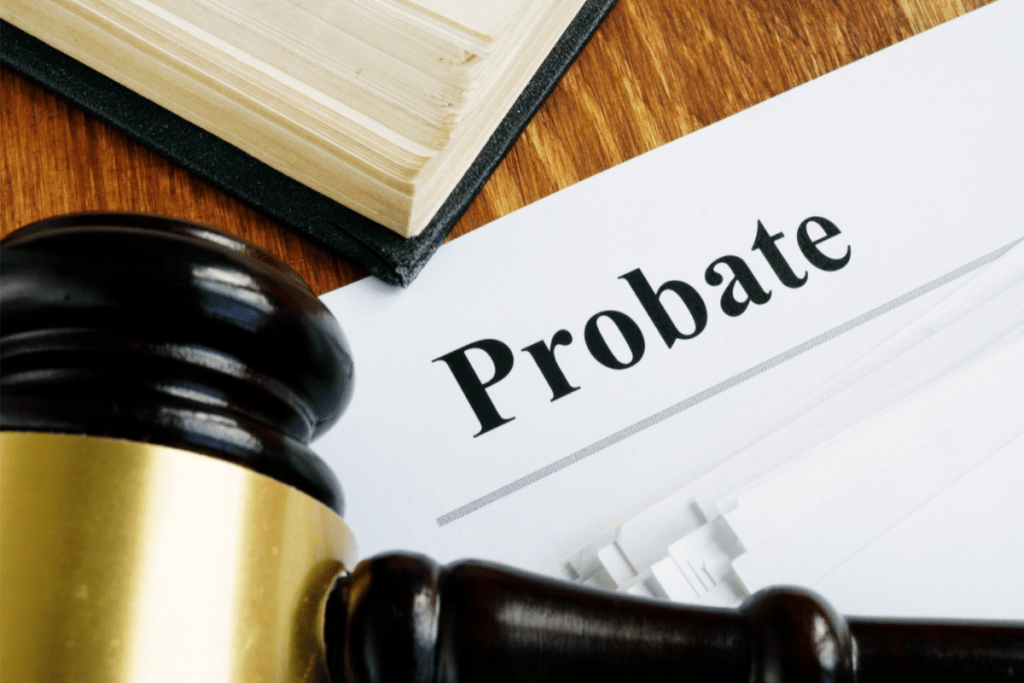
Probate is the legal process of transferring some of a deceased person’s assets to their heirs. Once you or someone you love passes away, there may be questions about what specific assets and property within an estate actually have to go through probate court, and which assets pass directly to beneficiaries. The short answer is that only assets that a person owned that were in their own name, alone, must go through probate.
The Probate Estate
Assets that go through probate make up what’s called the “probate estate.” For example, an individually owned bank account with no named beneficiary or a car titled only in an individual person’s name will pass through probate.
All other assets pass to the named beneficiaries without going through the probate court.
So, what are some specific things that do not pass through probate?
Here are a few examples:
Property held in joint tenancy with a right of survivorship
Any assets or real property held in joint tenancy (with a right of survivorship specified in the deed) by the deceased and one or more other people doesn’t need to go through probate. When one owner dies, the survivor(s) automatically owns the property.
Property held in tenancy by the entirety
If the deceased individual owned real estate with their spouse in tenancy by the entirety, the surviving spouse is automatically the sole owner when the other spouse passes away.
Payable-on-death bank accounts
A payable-on-death bank account is an account that passes to the beneficiary at the death of the account holder, therefore it does not pass through probate. Check with your bank to see whether your bank account(s) have payable-on-death beneficiaries.
Assets registered in transfer-on-death form
Tennessee residents can name transfer-on-death beneficiaries for securities. Assets registered in the transfer-on-death form pass directly to the named beneficiary without needing to go through probate.
Life insurance proceeds
When life insurance policies or annuities specify a beneficiary, the proceeds do not go through probate.
Retirement accounts
The funds in retirement accounts do not go through probate if the account holder designated a beneficiary.
Trust assets
Assets held inside a Trust by a Trustee do not go through probate.
Probate doesn’t have to be complicated
Learn how to prepare for and navigate probate
Overall, knowing which your assets must pass through probate, and which do not pass through probate, can save you a lot of unnecessary stress and confusion. Designating probate vs. non-probate assets is an important part of your overall estate plan strategy. It is important to take the time to talk to an attorney in order to identify your assets, decide who your beneficiaries should be, and determine what the best method is for those beneficiaries to receive their share.
We invite you to participate in our “Estate Planning Challenge,” which is a daily email campaign where you can identify all of the people, assets, and decision-makers that you will need to consider before meeting with an attorney to further discuss your estate plan.
Many people think that if they are married, their spouse will automatically inherit everything when they pass and so they don’t need a will. While there are some situations where a spouse does inherit everything, it is not the default under Tennessee law. In Tennessee, if you are married and have children, your spouse will share your probate estate with your children. I call this the S.A.K.S. method (Spouse and Kids Share). In other words, your spouse does not inherit everything automatically.
To clarify:
If you die without a will, Tennessee law dictates that the spouse and children split the estate.
However, I believe that everyone should create their own plan for distributing their assets after death, even if the state has an understandable default on how to do this. Here’s why:
Having a Will can make it easier for your family to go through probate.
Having a Last Will and Testament can be an important way to reduce any burden on your family after your death. In your Will, you decide not only who will inherit your estate but also key decisions like who will serve as Personal Representative (also known as the Executor) and whether you want to require or waive documents that are required by statutes. Having a Will is your chance to have a say in the probate of your estate before you die. The process can be much less complicated for your beneficiaries as well because you may decide to be even more specific about some of the more difficult decisions that need to be made.
It is much easier on your family if you have an estate plan in place. A last will and testament will provide instructions on how to designate and divide assets between family members and friends. If you die intestate (without a will), then the state’s inheritance laws will determine who gets what.
Preparing an estate plan will cover situations that may arise after your passing
Have you considered what might happen if your spouse remarries? Are you aware that a future spouse can take an interest in a portion of your estate? Would you want part of your assets to go to a new spouse or to any children that they may have with that spouse? Do you have family or children that should benefit instead? There are many other factors to consider, but it’s important to discuss these things with your attorney when you create your estate plan.
A Will provides security for your spouse
If you are more concerned about your spouse inheriting from you than your children, you can plan for that too! The general rule in Tennessee is that the spouse would get no less than a third of the estate.
For example, if you are splitting the estate with two or more children, the spouse would get a third. If there is only one child, the spouse would get half.
What if you want to provide more? With a Will, you can designate that your spouse gets everything or only leave certain things to your children. Many spouses write “I love you” wills, where they inherit first from each other, and then their children only inherit when the second parent dies.
Use a Will to protect spousal inheritance from changes in family dynamics
Another consideration in making a Will is your family dynamic. Do you have children from different relationships throughout your life? Do you have concerns about how your children from those relationships will get along with your current spouse when it comes to your estate? It is important to consider how you want inheritances to be split. Your Will can dictate how your assets will be handled! You can also designate your preference for the guardian of any minor children in the event that both you and the other parent die.
Additionally, a Will provides provisions such as the appropriate age at which your children should take over responsibility for managing any inheritance. One primary concern many parents have is whether young adults will be mature enough to make sound judgments concerning any money they inherit. Your Will can establish a certain age at which young adults gain control of their inheritance, to ensure that it isn’t squandered when you would prefer it be used towards education or sound investments.
In short, your Last Will and Testament should be drafted so that your wishes regarding your family are honored.
A Will can safeguard your beneficiaries if they become disabled
Are any of your assets expected to go to a loved one who has a chronic medical condition? If so, you’ll want to consider that an inheritance could disqualify them from any means-tested government benefits that they may receive or be entitled to, which could be devastating if they are counting on that benefit. The most common examples of this are Supplemental Security Income (SSI) and TennCare (Medicaid). You’ll want to have a contingency plan in your estate plan to make sure that their benefits are secure and not at risk of being cut off due to an inheritance. You don’t want their government assistance to decrease just because you died! You definitely need a plan for that. Make sure to work with a qualified estate planning attorney so you can refrain from making errors with your family’s benefits.
If you want control over who can access your digital assets, you must make a Will
Many digital assets are governed by terms and conditions which are unlikely to specify who will take over your accounts when you die. Some providers, such as Facebook, permit you to designate someone as a “legacy contact.” However, not all companies are robust enough to provide this type of service. A Will protects your digital assets from falling into the wrong hands or being lost in digital space with no one able to claim them. Check out our blog post about how to create or change your Facebook “legacy contact” here.
In conclusion
These are just a few of the things that you’ll want to consider when making an estate plan. I want to encourage you to have a long discussion with your spouse about how your assets should be split when one of you dies. There shouldn’t be any surprises! I cannot stress the importance of knowing each other’s values and putting them in writing. It is crucial to have the outcome you desire. A failure to plan can end up in expensive court litigation. This is why we encourage everyone to speak with an experienced estate planning attorney about how they and their spouse can protect each other through proactive planning.
Are you ready to make your Will? Schedule a free initial call and make your plan with the Team at GALS!